
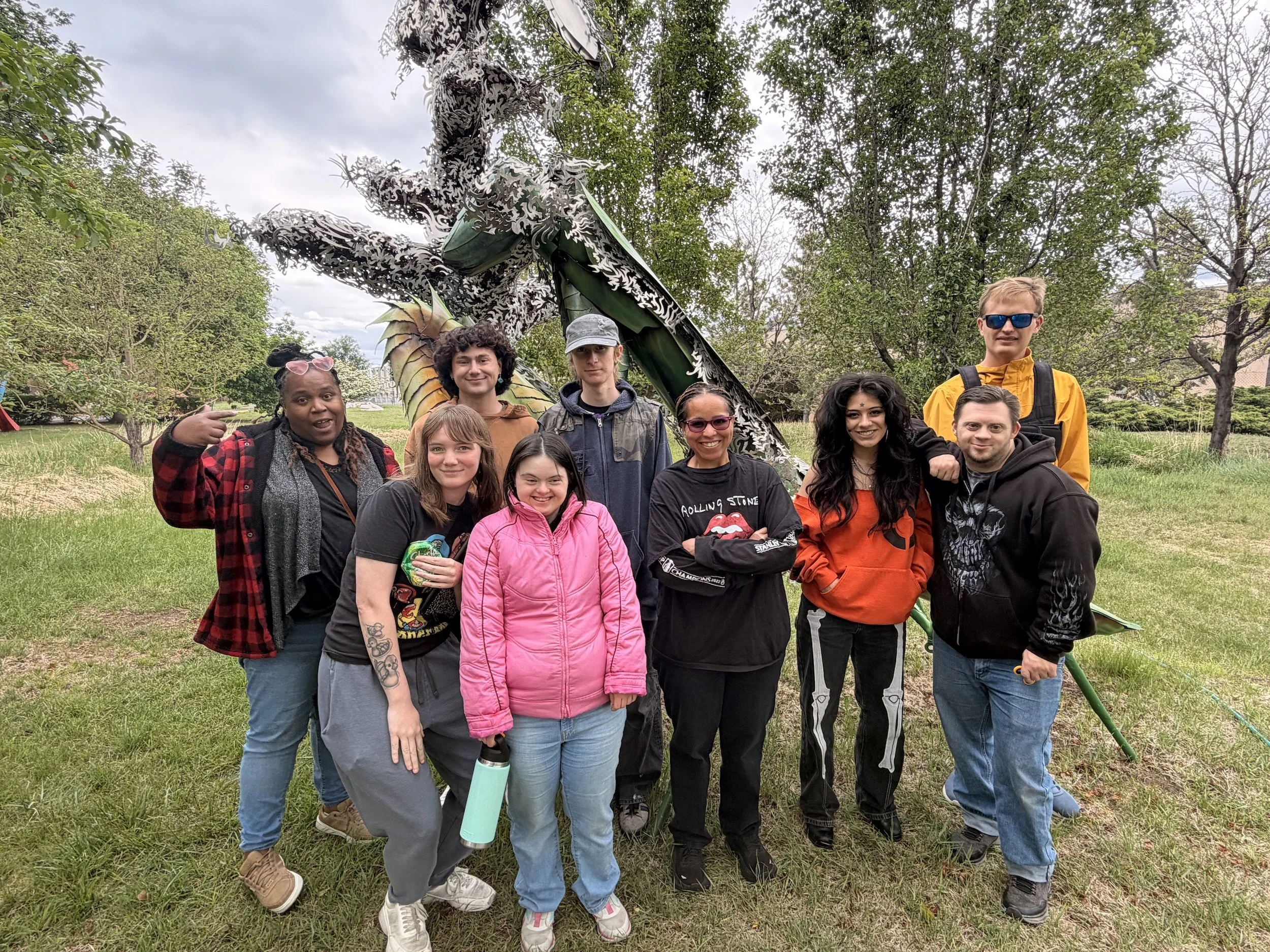
Winter brings a noticeable shift in how we spend our time in Colorado. Cold mornings push us indoors for group activities, holiday celebrations, and community outings, while chilly afternoons call for coats, hats, and gloves. At Ability Specialists, these seasonal shifts are great opportunities to practice everyday life skills that support safety, comfort, and independence.
Right now, two priorities are front and center in our programs: helping participants understand physical touch and consent, and learning how to level up winter outfits with practical layers.
Understanding Physical Touch and Consent
Everyone deserves to feel safe, respected, and comfortable in their own space. When people are excited to see friends at a dance, holiday party, or group outing, enthusiasm can sometimes move faster than personal boundaries. That is why we spend time talking openly about what appropriate physical touch looks like and how consent works in real life.
Asking before making physical contact is a core habit we practice. Whether someone wants to give a hug, a pat on the shoulder, or a high-five, pausing to ask first shows respect for the other person. Just as important is learning what happens if the answer is no or if someone steps back. A "no" is not a rejection of friendship; it is simply information about how that person feels in the moment.
We also talk about other ways to show warmth and excitement without physical contact. A big wave, a smile, a thumbs-up, or a cheerful greeting can be just as meaningful. At the same time, we support participants in speaking up for themselves if they feel crowded, overstimulated, or uncomfortable, so they know their preferences matter too.
Leveling Up Your Layers for Cold Weather
Colorado weather rarely stays in one lane for long. A brisk morning walk from a van or bus stop can turn into a warm, crowded indoor room an hour later, and then cool down again by late afternoon. Relying on a single heavy coat often leaves people either shivering outside or overheating indoors.
Layering solves that problem by giving participants options they can adjust throughout the day. Starting with a soft, comfortable base shirt sets a steady foundation, especially for anyone who is sensitive to rough seams or stiff fabrics. Adding a middle layer like a zip-up sweatshirt, cardigan, or fleece vest makes it easy to warm up or cool down without having to take everything off. A weather-resistant outer coat, hat, and gloves finish the setup when stepping out into wind, snow, or freezing temperatures.
Practicing these adjustments builds real independence. When participants know how to unzip a fleece when they get warm or put their gloves on before heading outside, they stay more comfortable and take greater ownership of their daily routines.
Building Confidence Through Everyday Practice
Skills like respecting boundaries and dressing for the weather do not stick overnight. They grow through repetition, patient guidance, and everyday moments where participants can try things out for themselves. Whether we are navigating a busy room together or preparing for a cold afternoon outing, our goal is to help everyone feel confident, capable, and at home in their community.